Watercolor Marriage Clipart for Wedding Day Designs
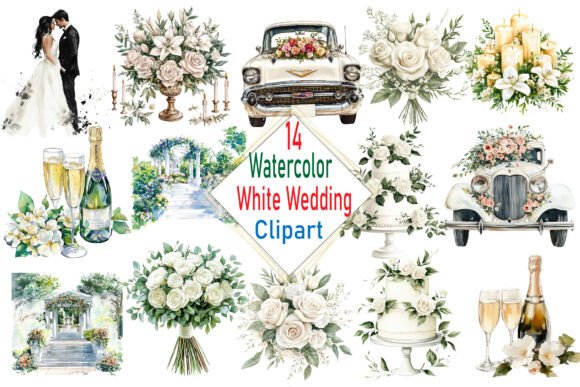
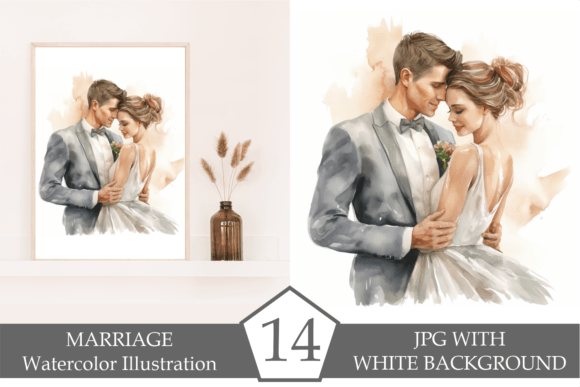
There is something quietly magical about watercolor. The way pigments bleed into one another, the soft edges, the organic unpredictability—it brings warmth and emotion that crisp vector graphics rarely capture. When that same aesthetic meets wedding design, you get something genuinely useful: Watercolor Marriage Clipart, Wedding Day is a curated collection of hand-painted floral motifs, bouquet arrangements, romantic wreaths, and delicate botanical accents designed specifically for wedding and marriage-themed projects. It is not a font in the traditional sense, though you will find yourself pairing it with typefaces constantly. Rather, it is a visual toolkit that brings a painterly, heartfelt quality to everything from save-the-dates to social media announcements.
What sets this clipart set apart is its personality. The brushstrokes retain a handmade feel—slight variations in opacity, color saturation that shifts naturally, and edges that never feel mechanically cut. You get a sense that an artist actually touched paper with a brush, even though you are working digitally. That matters in wedding design, where authenticity and emotion carry real weight. Brides, grooms, planners, and publishers alike gravitate toward materials that feel personal rather than templated. This clipart delivers exactly that.
Visual Characteristics and Overall Appeal
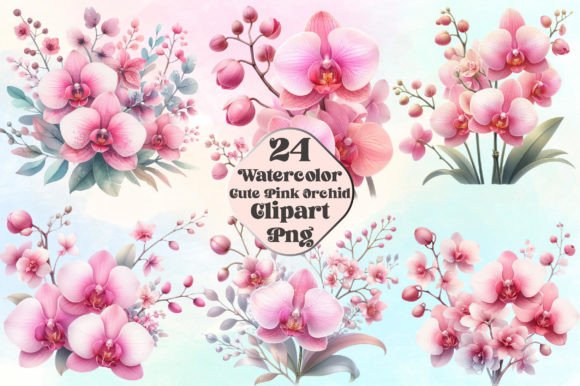
Visually, Watercolor Marriage Clipart, Wedding Day leans toward a romantic, garden-inspired palette. Think dusty roses, soft sage greens, lavender tones, and cream accents. The motifs range from standalone blooms and leaf sprigs to full wreaths and corner arrangements, giving you flexibility whether you are designing a full invitation suite or a single Instagram story. The style is neither hyper-realistic nor overly abstract—it sits in a sweet spot where the subject is recognizable but still painterly and soft.
This clipart works because it does not fight for attention. It complements text rather than overwhelming it. When you drop a watercolor bouquet behind a couple's names on a wedding invitation, the text remains readable while the visual adds mood and depth. That balance is harder to achieve with heavy illustrations or overly detailed vector art. The watercolor approach lets color and texture do the heavy lifting without cluttering the composition.
For designers, this means less time color-correcting or masking. The included elements come with transparent backgrounds, so layering them into your layouts is straightforward. You can scale them, rotate them, stack them, and adjust opacity without losing the painted quality. That kind of flexibility matters when you are working under a deadline or iterating through multiple layout options for a client.
Where This Clipart Shines Across Projects
The natural home for Watercolor Marriage Clipart, Wedding Day is wedding stationery. Invitations, RSVP cards, programs, menus, place cards, thank-you notes—all of these benefit from a cohesive visual language. Using the same floral motifs across every piece ties the suite together and creates a consistent brand identity for the event. That is something couples and planners pay close attention to, and it is where this clipart set delivers immediate value.
But the applications go well beyond paper goods. Social media graphics for wedding announcements, engagement posts, and bridal shower promotions become more engaging when you incorporate watercolor elements. A simple flat lay of a bouquet clipart element next to a handwritten sans serif font or a delicate script font can stop a scrolling thumb in its tracks. Bloggers covering wedding trends or planning tips can use these elements as featured image accents or section dividers. The soft color palette works beautifully against both light and dark backgrounds, so you are not locked into one aesthetic.
Publishers and content creators will find these clipart pieces useful for editorial design as well. Magazine spreads about wedding venues, floral trends, or real wedding features benefit from decorative accents that feel elegant without distracting from the photography. A small watercolor bloom at the start of a pull quote or a subtle wreath framing a sidebar adds visual hierarchy and polish.
Small business owners—florists, photographers, planners, calligraphers—can use this clipart for branding materials. Logo design often benefits from a secondary graphic element, and a signature watercolor bloom can become a recognizable mark on business cards, website headers, and proposal documents. It gives your brand a consistent visual anchor without requiring a full custom illustration.
Packaging design is another unexpected but fitting use case. Wedding favor boxes, gift tags, or small product packaging for bridal accessories all feel more premium when watercolor accents are present. The handmade quality communicates care and attention to detail, which resonates with customers looking for something special.
How It Shapes Readability and Visual Hierarchy
One of the underappreciated strengths of Watercolor Marriage Clipart, Wedding Day is how it influences readability and visual hierarchy in a layout. Because the clipart elements have soft, diffused edges, they naturally recede behind or alongside text rather than competing with it. This makes them ideal for backgrounds, borders, and accent placement where you want depth without sacrificing legibility.
Consider a wedding invitation where the couple's names are set in a serif font or a refined handwritten font. Placing a watercolor wreath behind the text in a low opacity creates a frame that draws the eye inward. The viewer reads the names first, then takes in the floral border. That sequencing is intentional—the clipart supports the text rather than fighting it. In layouts where you have multiple pieces of information (date, venue, time, registry details), you can use smaller clipart elements as visual dividers or bullet points to group related information without adding clutter.
For web design and digital publishing, this clipart works well as a hero section accent or a footer graphic. The light, airy colors do not overwhelm the page, and the organic shapes provide a counterpoint to structured grid layouts. When paired with a clean sans serif font for body text and a romantic script font for headings, the contrast between structured type and flowing painted elements creates a dynamic but harmonious visual experience.
Practical Guidance for Choosing and Using This Clipart
Before you invest time in any design asset, you want to be confident it fits your project. Start by evaluating the color palette. Watercolor Marriage Clipart, Wedding Day leans toward muted, romantic tones. If your project calls for bright neons or deep jewel tones, this may not be the right match. However, if you are working with blush, ivory, sage, lavender, or soft gold, you are in good territory. The clipart integrates naturally with those palettes and makes coordination with other design elements easier.
Next, consider the style of your text. This clipart pairs beautifully with modern typography that has clean lines and moderate contrast. A display font with delicate serifs or a flowing script font that mimics calligraphy will feel right at home beside these watercolor elements. Avoid pairing it with overly rigid or industrial typefaces—the mismatch in tone can feel jarring. Test a few font pairing options before committing to a layout. Place the clipart behind the text, then beside it, then overlay it at reduced opacity. Each arrangement will give you a different read on how the two elements interact.
Review the included styles and file formats. Most quality clipart sets offer PNG files with transparent backgrounds, and some include SVG or layered PSD options. Make sure the set you are looking at provides enough variety in motifs—single blooms, small clusters, full wreaths, corner arrangements—so you have flexibility. A set with only one or two motifs may limit your ability to build a cohesive system across multiple pieces. Watercolor Marriage Clipart, Wedding Day typically includes a generous range, but always check the product description to confirm.
Commercial licensing is another critical consideration, especially for small business owners, marketers, and publishers. If you plan to use the clipart in products you sell—such as invitation templates, print-on-demand items, or digital downloads—verify that the license covers commercial use. Some clipart sets restrict the number of copies you can produce or require attribution. Look for a commercial font or clipart license that aligns with your business model. A standard commercial license usually covers most common use cases, but if you are distributing templates or selling printed goods at scale, you may need an extended license.
Testing the clipart in context is something I recommend even before you purchase. Download sample files if available. Place the elements into a mockup of your actual project—an invitation, a social media graphic, a website header. Pay attention to how the colors render on your screen versus print. Watercolor elements can sometimes appear more muted or more saturated depending on the paper stock or monitor calibration. Run a test print if you are producing physical items. That fifteen minutes of testing can save you from ordering a hundred invitations that feel flat.
Design Observations and Real-World Recommendations
One thing I have noticed working with watercolor clipart across multiple wedding projects is that less is almost always more. A single bouquet motif used thoughtfully across a suite creates more cohesion than layering five different floral elements on one page. Restraint gives the watercolor its power. Let the brushstrokes breathe. Leave negative space around your clipart elements so they do not crowd the text or each other.
Another observation: watercolor clipart works exceptionally well when you treat it as a design accent rather than the centerpiece. Use it to frame a quote, to separate sections of a program, or to add a subtle wash of color behind a monogram. When you let the clipart play a supporting role, the overall layout feels sophisticated rather than busy. That approach also makes your brand identity feel more considered and professional.
For bloggers and digital publishers, consider using watercolor clipart as consistent visual branding across a series of wedding-related posts. A same-size flower motif in the top corner of each blog image creates immediate recognition. Readers start associating that visual with your content, which builds trust and engagement over time. That is the kind of subtle brand consistency that separates thoughtful design from random asset use.
If you are a crafter or hobbyist making wedding favors, signage, or guest books, this clipart can elevate your projects without requiring advanced design skills. Print the elements onto sticker paper or cardstock, cut them out, and use them as physical embellishments. The handmade quality of watercolor translates beautifully into tactile applications. You can decoupage them onto wooden signs, glue them onto place card holders, or layer them into shadow boxes.
Ultimately, Watercolor Marriage Clipart, Wedding Day succeeds because it does something many design assets fail to do: it brings genuine emotion into a layout without overwhelming everything else. It is a tool for designers, entrepreneurs, and creators who want their wedding projects to feel personal, romantic, and thoughtfully crafted. Whether you are building a brand, publishing a magazine feature, or designing a friend's invitation suite, this clipart gives you a head start on creating work that connects.